


Budget impact will be felt by all

Budget impact will be felt by all
The UK’s public finances desperately need some long-term thinking, not more of the short-term tinkering that brought us here, say Sarah Chisnall, Director of Public Affairs, and Katie Close CA, Director of Tax
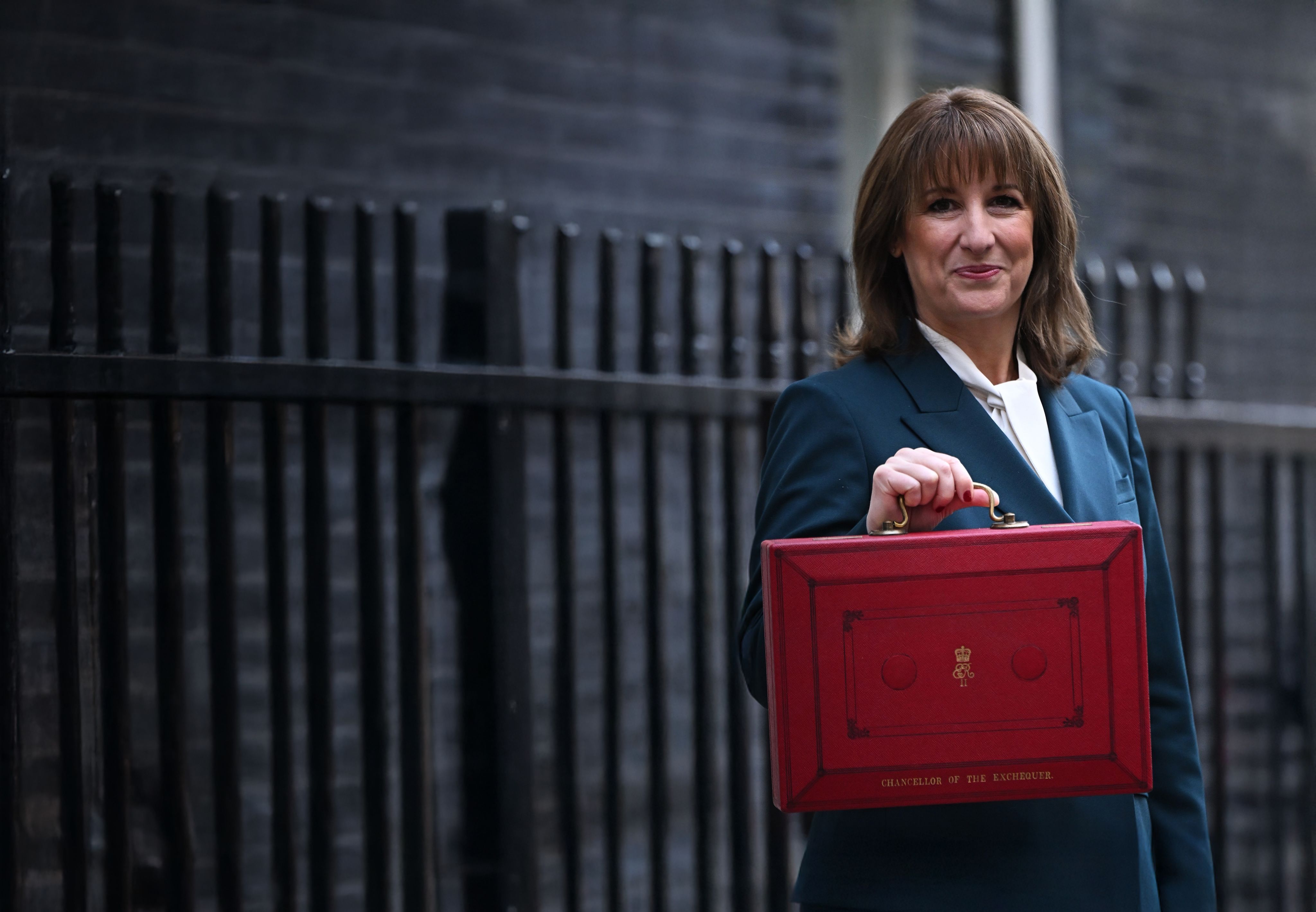
Last month brought possibly the most highly anticipated Budget in recent history, and with that anticipation came more leaks than a wicker canoe. It was an embarrassing start, when the Office of Budget Responsibility managed to give the game away by publishing its Budget report before the Chancellor had even stood up to make her speech. Social media even treated us to the sight of Rachel Reeves’s colleague, James Murray, the Financial Secretary to the Treasury, handing her his mobile phone so she could see the mistake herself. Uncomfortable viewing.
Reeves then delivered a Budget which, although it didn’t include increases to the rate of income tax, NICs or VAT, still managed to deliver an additional £26bn of taxes. Most of the measures announced will be borne by individuals, rather than businesses, with the Chancellor stating she was “asking everyone to make a contribution to repair the public finances”.
But it doesn’t look like a Budget for growing the economy or encouraging investment. Significantly, the bulk of these tax-raising measures are not scheduled to be introduced until 2028, with salary sacrifice changes coming into force even later in 2029. While this may create some relief for those who will be affected by the changes, it also adds uncertainty to the system by relying on tax revenues being raised in future years to cover spending and borrowing happening today. In the meantime, behaviours may change, economic growth may falter, or unexpected world events could occur, impacting the ability of this Budget to fully realise its aims.
The biggest and most impactful measure of this budget is the further three-year freezing of income tax and national insurance thresholds until the end of the fiscal year 2031, expected to raise an additional £8bn. Due to the effect of fiscal drag (salaries and pensions rising with inflation while income tax thresholds stay the same), this means more people will be pulled into higher tax bands or start to pay tax for the first time. Pensioners and part-time workers on low incomes will particularly feel the effects, as their incomes go above the personal allowance for the first time.
This approach achieves the same outcome as increasing tax rates, as it results in more individuals paying more tax, but in a much less transparent or direct way. For HMRC, it will have to manage its considerable resource strains to deliver the tax measures announced in the Budget.
“ICAS has said for many years that simply increasing tax rates, rather than freezing thresholds, would be a more transparent way of finding additional revenue”
In Scotland, the rates and thresholds for income tax are set by the Scottish government – with the exception of the personal allowance which is set by the UK government. This means that the freezing of the personal allowance will directly affect Scottish taxpayers, and those on lower incomes may find themselves paying tax for the first time.
Freezing the personal income tax thresholds until 2030-31 may be an easy win for the Chancellor, but it’s not transparent to taxpayers and ultimately takes money out of everyone’s pocket. The effect of this will hit people on lower and middle incomes much harder than those at the very top of the pay scale.
ICAS has said for many years that simply increasing tax rates, rather than freezing thresholds, would be a more transparent way of finding additional revenue to finance public services. Reducing the purchasing power of consumers via a stealth tax is also likely to be detrimental to growth, with businesses feeling the impact of people having less in their wallets.
ICAS is pleased to see there are no significant changes to corporation tax, which offers some stability to the business community, but this Budget does very little to encourage investment. This, coupled with increasing costs through the limiting of pension salary sacrifice, above-inflation minimum wage increases and vehicle excise duty changes, will cost both people and business, hindering economic growth. Fiscal drag and stealth taxation will impact virtually all taxpayers for many years to come.
On salary sacrifice measures, the proposal to introduce a new cap of £2,000 for exemption from NICs for pension contributions will increase the costs of employing people. It will also introduce more administrative burdens for businesses. This measure will also lead to uncertainty for pension savers, discourage saving and make it harder for people to achieve the pension they need.

The new proposals for a council tax surcharge in England and Wales for properties valued at over £2m will almost certainly mean that discussion of property taxation will be reignited in Scotland. There have been promises to reform council tax for many years and although the Scottish government is unlikely to bring forward new proposals before the May elections, this move may make it harder for them not to act in the future.
We’ve long called for a transparent, simpler and more long-term tax system. Instead, this Budget again introduces a raft of small changes, tinkering with the UK’s hugely long and complicated tax system. This not only increases complexity but also introduces unpredictability to the way people and businesses may react.
Last month brought possibly the most highly anticipated Budget in recent history, and with that anticipation came more leaks than a wicker canoe. It was an embarrassing start, when the Office of Budget Responsibility managed to give the game away by publishing its Budget report before the Chancellor had even stood up to make her speech. Social media even treated us to the sight of Rachel Reeves’s colleague, James Murray, the Financial Secretary to the Treasury, handing her his mobile phone so she could see the mistake herself. Uncomfortable viewing.
Reeves then delivered a Budget which, although it didn’t include increases to the rate of income tax, NICs or VAT, still managed to deliver an additional £26bn of taxes. Most of the measures announced will be borne by individuals, rather than businesses, with the Chancellor stating she was “asking everyone to make a contribution to repair the public finances”.
But it doesn’t look like a Budget for growing the economy or encouraging investment. Significantly, the bulk of these tax-raising measures are not scheduled to be introduced until 2028, with salary sacrifice changes coming into force even later in 2029. While this may create some relief for those who will be affected by the changes, it also adds uncertainty to the system by relying on tax revenues being raised in future years to cover spending and borrowing happening today. In the meantime, behaviours may change, economic growth may falter, or unexpected world events could occur, impacting the ability of this Budget to fully realise its aims.
The biggest and most impactful measure of this budget is the further three-year freezing of income tax and national insurance thresholds until the end of the fiscal year 2031, expected to raise an additional £8bn. Due to the effect of fiscal drag (salaries and pensions rising with inflation while income tax thresholds stay the same), this means more people will be pulled into higher tax bands or start to pay tax for the first time. Pensioners and part-time workers on low incomes will particularly feel the effects, as their incomes go above the personal allowance for the first time.
This approach achieves the same outcome as increasing tax rates, as it results in more individuals paying more tax, but in a much less transparent or direct way. For HMRC, it will have to manage its considerable resource strains to deliver the tax measures announced in the Budget.
“ICAS has said for many years that simply increasing tax rates, rather than freezing thresholds, would be a more transparent way of finding additional revenue”
In Scotland, the rates and thresholds for income tax are set by the Scottish government – with the exception of the personal allowance which is set by the UK government. This means that the freezing of the personal allowance will directly affect Scottish taxpayers, and those on lower incomes may find themselves paying tax for the first time.
Freezing the personal income tax thresholds until 2030-31 may be an easy win for the Chancellor, but it’s not transparent to taxpayers and ultimately takes money out of everyone’s pocket. The effect of this will hit people on lower and middle incomes much harder than those at the very top of the pay scale.
ICAS has said for many years that simply increasing tax rates, rather than freezing thresholds, would be a more transparent way of finding additional revenue to finance public services. Reducing the purchasing power of consumers via a stealth tax is also likely to be detrimental to growth, with businesses feeling the impact of people having less in their wallets.
ICAS is pleased to see there are no significant changes to corporation tax, which offers some stability to the business community, but this Budget does very little to encourage investment. This, coupled with increasing costs through the limiting of pension salary sacrifice, above-inflation minimum wage increases and vehicle excise duty changes, will cost both people and business, hindering economic growth. Fiscal drag and stealth taxation will impact virtually all taxpayers for many years to come.
On salary sacrifice measures, the proposal to introduce a new cap of £2,000 for exemption from NICs for pension contributions will increase the costs of employing people. It will also introduce more administrative burdens for businesses. This measure will also lead to uncertainty for pension savers, discourage saving and make it harder for people to achieve the pension they need.
The new proposals for a council tax surcharge in England and Wales for properties valued at over £2m will almost certainly mean that discussion of property taxation will be reignited in Scotland. There have been promises to reform council tax for many years and although the Scottish government is unlikely to bring forward new proposals before the May elections, this move may make it harder for them not to act in the future.
We’ve long called for a transparent, simpler and more long-term tax system. Instead, this Budget again introduces a raft of small changes, tinkering with the UK’s hugely long and complicated tax system. This not only increases complexity but also introduces unpredictability to the way people and businesses may react.
 Built with Shorthand